New Patient Special: $99 new patient special for exam, X-rays, and basic cleaning.
Salt Flats Dentistry

Root Canal Treatment

Root Canal Treatment in Murray, Herriman, and Riverton

If you are reading this with a throbbing toothache, here is the most important thing to know: a root canal stops the pain, it does not cause it. Root canal treatment, clinically known as endodontics, removes infected tissue from inside the tooth, relieves the pressure and pain of the infection, and lets you keep your natural tooth instead of pulling it.

Salt Flats Dentistry provides gentle root canal treatment at all three of our Salt Lake Valley locations, with same day appointments often available for patients in pain.

How Do I Know If I Need a Root Canal?

Common signs that the pulp inside your tooth is infected or damaged include:

  • A severe, persistent toothache, especially when chewing
  • Lingering sensitivity to hot or cold that does not fade
  • Swelling or tenderness in the gums near one tooth
  • A pimple like bump on the gums
  • A tooth that has darkened in color

If any of this sound familiar, do not wait. An infected tooth will not heal on its own, and delaying treatment usually means more pain and a worse outcome. Call us — we treat tooth pain as a priority.

What Happens During a Root Canal?

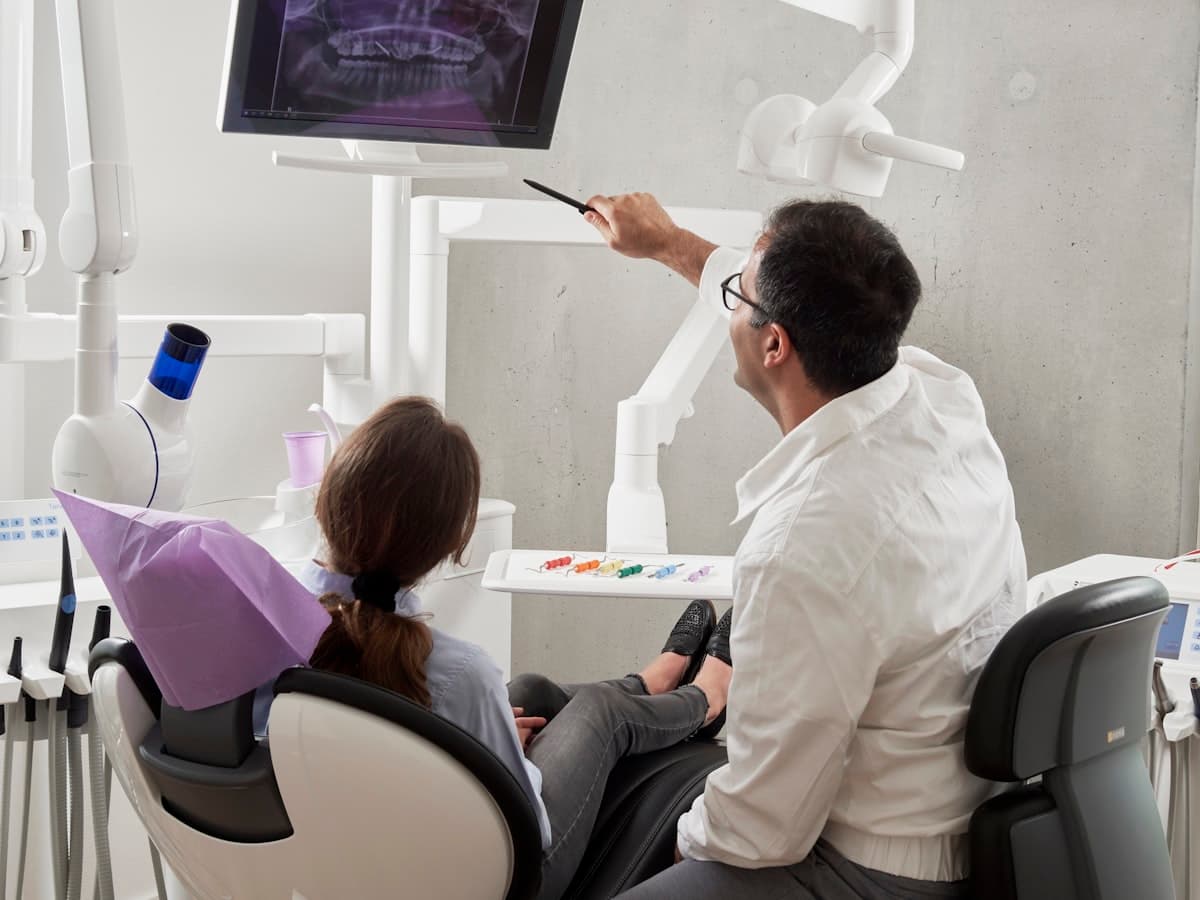
First, we numb the area completely, and if you are anxious, laughing gas is available. Your dentist then makes a small opening in the tooth, removes the infected pulp, cleans and disinfects the canals inside the root, and seals the tooth. Most root canal treated teeth are then restored with a crown to protect them long term, which we can often make the same day with our CEREC technology.

Most patients describe the procedure as no more uncomfortable than getting a filling, and the relief from the infection pain is usually immediate.

FAQ

Frequently Asked Questions

No. Modern root canals are performed under complete local anesthesia and feel similar to getting a filling. The pain people associate with root canals is the infection itself, which the treatment relieves.
Cost depends on which tooth is treated — molars have more canals and cost more than front teeth. Most insurance plans cover a significant portion of root canal treatment. We will give you an exact price and verify your benefits before we begin.
A filling repairs decay on the outer layers of the tooth. A root canal is needed when decay or damage reaches the pulp at the center of the tooth. X-rays and an exam tell us definitively which one you need.
The infection spreads. Left untreated, an infected tooth can lead to an abscess, bone loss, and eventually losing the tooth entirely. Saving the tooth now is almost always less expensive than replacing it later.

Ready when you are

Your Next Stop to A Better Smile

New patients welcome. Insurance friendly. Same day service when you need it.